4 Tips to Fine-tune Transition Cow Nutrition and Management
A barn full of healthy, productive cows is a wonderful sight to see. But this scene isn’t accomplished without help. Rather, it is the culmination of good management, proper nutrition and attention to detail, especially during the transition period.
This crucial six-week period—from three weeks prior to calving to three weeks after calving—sets the stage for a cow’s success or failure in the ensuing lactation and beyond. That’s why it’s so important for dairy producers and their advisors to get it right, and why people devote so much time and attention to this relatively short period of time in a cow’s life.
Success begins by keeping things simple for the cow’s nutritional, social and environmental interactions.
A good nutrition program can help cows cope with all of the changes that occur during the transition phase. Well-balanced rations that include an effective energy source and offer high-quality protein are a proven tool to help bring healthy cows into the milking herd.
Prepartum goals
Prior to calving providing cows with a ration that maintains necessary energy and protein levels, prepares them for calving and improves postpartum health. Keep in mind dry matter intake (DMI) decreases significantly seven to 10 days before calving, so your ration management and formulation needs to address this reality.
Select feeds low in potassium to help minimize the need for additional anions. Diets should be formulated with approximately 17 – 19 Mcals of metabolizable energy and 1,100 – 1,200 grams of metabolizable protein per day. Hormone levels and rumen function also shift significantly during this time frame, so be sure rations deliver adequate energy as DMI declines in order to help cows return to a positive energy balance as soon as possible after calving.
One key value to monitor closely in the ration is the Dietary Cation Anion Difference (DCAD). The DCAD equation measures the levels of four macrominerals in the diet.
Precalving rations should maintain a DCAD of -8 to -12 meq/100g on a dry matter basis to reduce incidence of metabolic disorders postpartum and increase peak milk yield.
Minimize cow stress
As you know, cow stress can defeat even the best ration
formulation and feeding strategy. Therefore, take steps to
decrease social, environmental and metabolic stressors by
minimizing change for transition cows.
Avoid any unnecessary pen moves, which can result in a drop in DMI.
Keep stocking density at a maximum of 100%, with the goal of 85% based on feed bunk space.
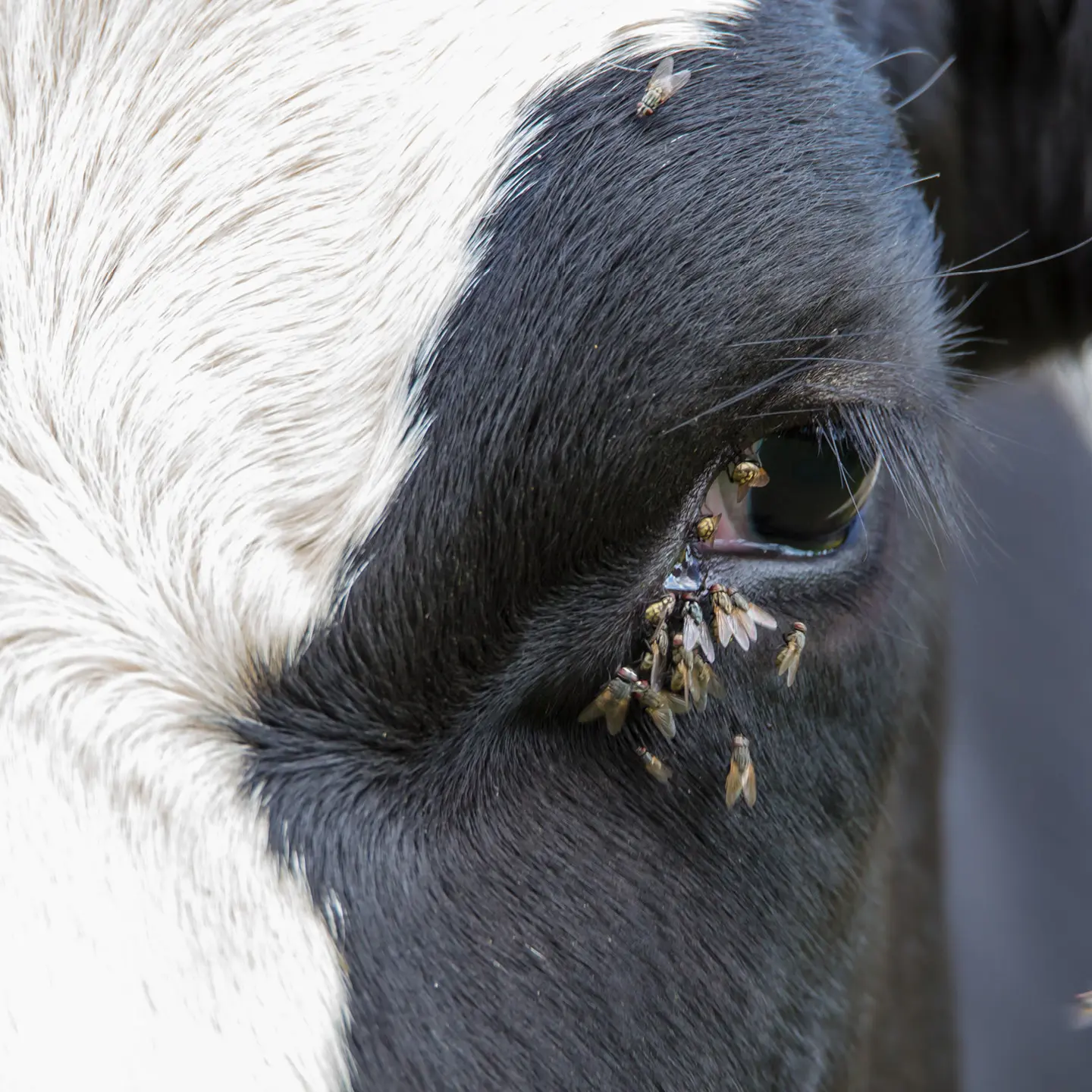
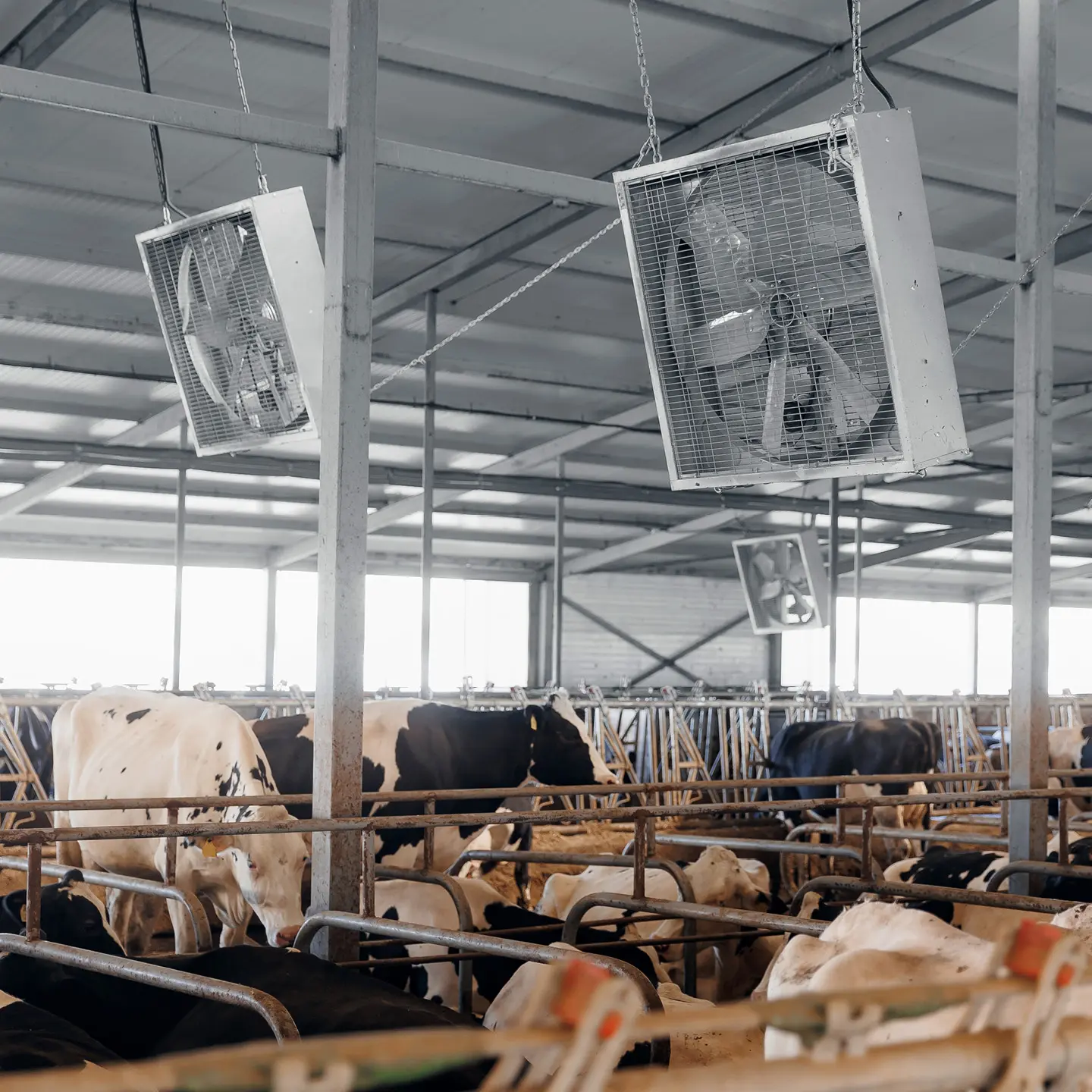
Implement heat-abatement practices.
Maximize cow comfort to encourage lying time. Provide ample space-per-cow that features clean, dry and comfortable beds, lots or corrals.
After calving, minimize walking distance by locating the fresh cow pens near the parlor.
Maximize postpartum DMI
Once a cow calves, feeding an energy-dense fresh-cow
ration is critical.
Within three weeks of calving, cows should consume more than 38 pounds of dry matter per day.
Make sure rations are palatable and consistent to maximize DMI.
Monitor particle size, moisture content and manure to ensure ration quality and effectiveness.
DCAD levels should be increased to reach optimum milk and component production. Increase dietary potassium levels to a minimum of 1.7% dry matter to increase DCAD to +35 to + 45 meq/100g dry matter.
If you don’t currently balance for DCAD, a forage test by wet chemistry can help determine the current levels of the macronutrients in your ration to help you make more informed nutrition decisions.
Monitor cow health and performance
With all the changes that a cow must go through during the
transition period, it’s important to monitor health and
performance. After all, you want her to reach her full potential.
Proactively watch for behavioral changes that may indicate a cow is getting sick.
Use production data and record fresh cow events such a displaced abomasums, retained placentas and metritis to track health and performance.
Track urine pH and DMI, since these are two of the best indicators of prepartum transition cow problems.
Using this information, work with your veterinarian and nutritionist to implement a fresh-cow monitoring and treatment program that is specific to your farm and the challenges you face.
Use these tips on proper cow nutrition and care during this critical period to ensure a smooth shift into the milking herd.
By Elliot Block, Senior Manager, Technology, Arm & Hammer Animal Nutrition.
Contact him at (609) 279-7517; or Elliot.Block@churchdwight.com.